
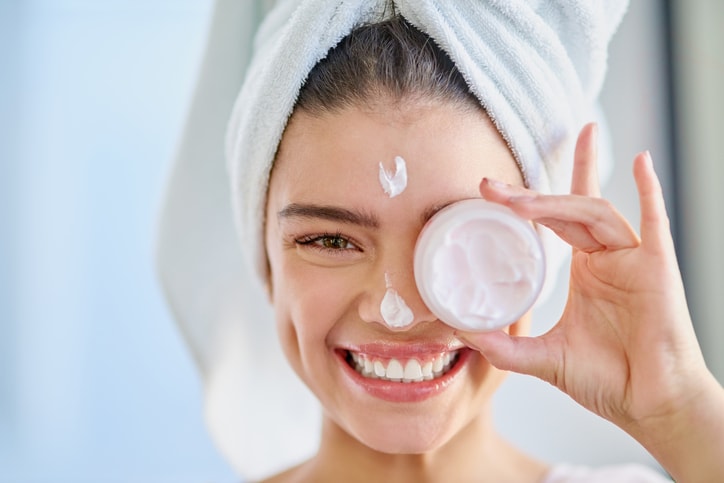
Skin care is not about chasing trends or buying expensive products. It is about understanding your skin, protecting its natural barrier, and supporting long-term health. When done consistently, a simple routine can improve texture, tone, hydration, and overall appearance.
Your skin works continuously to protect your body from environmental stress, pollution, bacteria, and sunlight. Supporting that protective role requires habits that are realistic, consistent, and suited to your skin type.
This guide explains how to build an effective routine, choose the right ingredients, avoid common mistakes, and maintain healthy skin across different life stages.
Understanding Your Skin Type
Healthy skin care begins with identifying your skin type. Using products designed for your specific needs improves results and prevents irritation.
Most people fall into one of these categories:
Normal skin
- Balanced oil production
- Few breakouts
- Smooth texture
- Minimal sensitivity
Oily skin
- Visible shine
- Enlarged pores
- Frequent acne
- Makeup may not last long
Dry skin
- Tightness after washing
- Flaking or rough texture
- Dull appearance
- Increased sensitivity
Combination skin
- Oily forehead nose and chin
- Dry or normal cheeks
- Uneven texture in different areas
Sensitive skin
- Easily irritated
- Redness after products
- Burning or itching reactions
- Requires gentle formulations
Knowing your skin type helps you avoid unnecessary irritation and wasted effort.
The Essential Daily Skin Care Routine
A reliable routine does not need many steps. Consistency matters more than complexity.
A basic routine includes cleansing moisturizing and sun protection.
Cleansing
Cleansing removes dirt oil sweat and pollution that accumulate during the day.
Choose:
- Gel cleansers for oily skin
- Cream cleansers for dry skin
- Gentle fragrance free cleansers for sensitive skin
Wash your face twice daily using lukewarm water. Hot water weakens the skin barrier and increases dryness.
Moisturizing
Moisturizers support hydration and strengthen the skin barrier.
Benefits include:
- Preventing water loss
- Improving elasticity
- Reducing irritation
- Supporting repair
Even oily skin needs moisturizer. Skipping this step often increases oil production.
Sun Protection
Daily sunscreen is the most important step in preventing premature aging and skin damage.
Use sunscreen that provides:
- Broad spectrum protection
- SPF 30 or higher
- Lightweight texture suitable for daily wear
Apply sunscreen every morning even when staying indoors near windows.
Why Sunscreen Is Essential for Long Term Skin Health
Sun exposure is one of the main causes of wrinkles uneven tone and loss of firmness.
Ultraviolet radiation contributes to:
- Hyperpigmentation
- Fine lines
- Collagen breakdown
- Sunburn
- Long term skin damage
Daily sunscreen helps preserve skin structure and reduces visible aging over time.
Reapply sunscreen every two to three hours during extended outdoor exposure.
Choosing Skin Care Ingredients That Work
Many products promise fast results but only a few ingredients consistently support skin health.
Look for these proven options.
Hyaluronic acid
Supports hydration by holding water inside the skin. Suitable for all skin types.
Niacinamide
Helps improve tone minimize pores and strengthen the skin barrier.
Vitamin C
Brightens skin and supports collagen production.
Ceramides
Restore the protective barrier and prevent moisture loss.
Retinol
Encourages skin renewal and improves texture when used gradually.
Introduce active ingredients slowly to avoid irritation.
Building a Nighttime Routine That Supports Repair
Nighttime skin care focuses on recovery. During sleep the skin repairs itself more actively than during the day.
A simple evening routine includes:
- Gentle cleanser
- Treatment serum if needed
- Moisturizer
Night routines help:
- Restore hydration
- Support cell renewal
- Improve texture
- Reduce dullness
Consistency over time produces noticeable improvement.
Managing Acne Without Damaging the Skin Barrier
Acne affects people of all ages. Treating it aggressively can sometimes make the condition worse.
Effective acne care includes:
- Using gentle cleansers
- Avoiding harsh scrubbing
- Applying noncomedogenic moisturizers
- Using targeted treatments when needed
- Keeping pillowcases clean
Overwashing removes protective oils and increases irritation.
Persistent acne may require guidance from a skin care professional.
Supporting Skin Health Through Nutrition and Hydration
Skin reflects internal health. Diet plays a role in maintaining clarity and elasticity.
Helpful habits include:
- Drinking adequate water daily
- Eating fruits rich in antioxidants
- Including healthy fats
- Reducing excess sugar intake
- Consuming vegetables regularly
Nutrients support collagen production and improve skin resilience.
Hydration improves texture and reduces dryness.
Avoiding Common Skin Care Mistakes
Many people unintentionally damage their skin through routine habits.
Common mistakes include:
- Skipping sunscreen
- Overexfoliating
- Using too many products at once
- Changing routines frequently
- Sleeping with makeup on
A simple consistent routine produces better long term results than complicated product layering.
How Lifestyle Habits Influence Skin Appearance
Healthy skin depends on daily behavior as much as topical care.
Important lifestyle factors include:
Sleep quality
Poor sleep increases dullness and dark circles.
Stress management
Stress affects hormone balance and may trigger breakouts.
Physical activity
Regular movement improves circulation and supports skin repair.
Clean surroundings
Clean towels pillowcases and makeup brushes reduce bacteria exposure.
Small lifestyle improvements create visible changes over time.
Skin Care Across Different Life Stages
Skin changes naturally with age. Adjusting your routine helps maintain balance.
Teen years
Focus on gentle cleansing oil control and sun protection.
Twenties
Introduce antioxidants and maintain hydration.
Thirties
Support collagen production with targeted treatments.
Forties and beyond
Strengthen moisture barrier and protect elasticity.
Adapting routines prevents unnecessary damage and supports long term health.
Creating a Sustainable Skin Care Routine That Lasts
The most effective routines are simple enough to maintain daily.
To build a lasting routine:
- Choose products suited to your skin type
- Introduce new ingredients slowly
- Monitor how your skin responds
- Maintain consistent timing
- Protect skin from sun exposure daily
Consistency leads to healthier stronger skin over time.
Reliable habits matter more than expensive products.
Frequently Asked Questions About Skin Care
1 How long does it take to see results from a new skin care routine
Most routines show visible improvement within four to eight weeks because skin renewal follows a natural cycle.
2 Is it necessary to use different products in summer and winter
Yes seasonal changes affect hydration levels so adjusting moisturizer texture and cleansing strength helps maintain balance.
3 Can drinking more water alone improve skin quality
Hydration supports skin function but works best when combined with proper cleansing moisturizing and sun protection.
4 Should people with oily skin avoid facial oils completely
Some lightweight facial oils help balance oil production and strengthen the skin barrier when used correctly.
5 Is it safe to layer multiple active ingredients together
Layering too many active ingredients may cause irritation so introducing one treatment at a time is safer.
6 How often should exfoliation be included in a routine
Most skin types benefit from exfoliation one to three times weekly depending on sensitivity.
7 Do natural skin care products work better than synthetic ones
Both natural and laboratory developed ingredients can be effective when formulated properly and matched to your skin type.
