
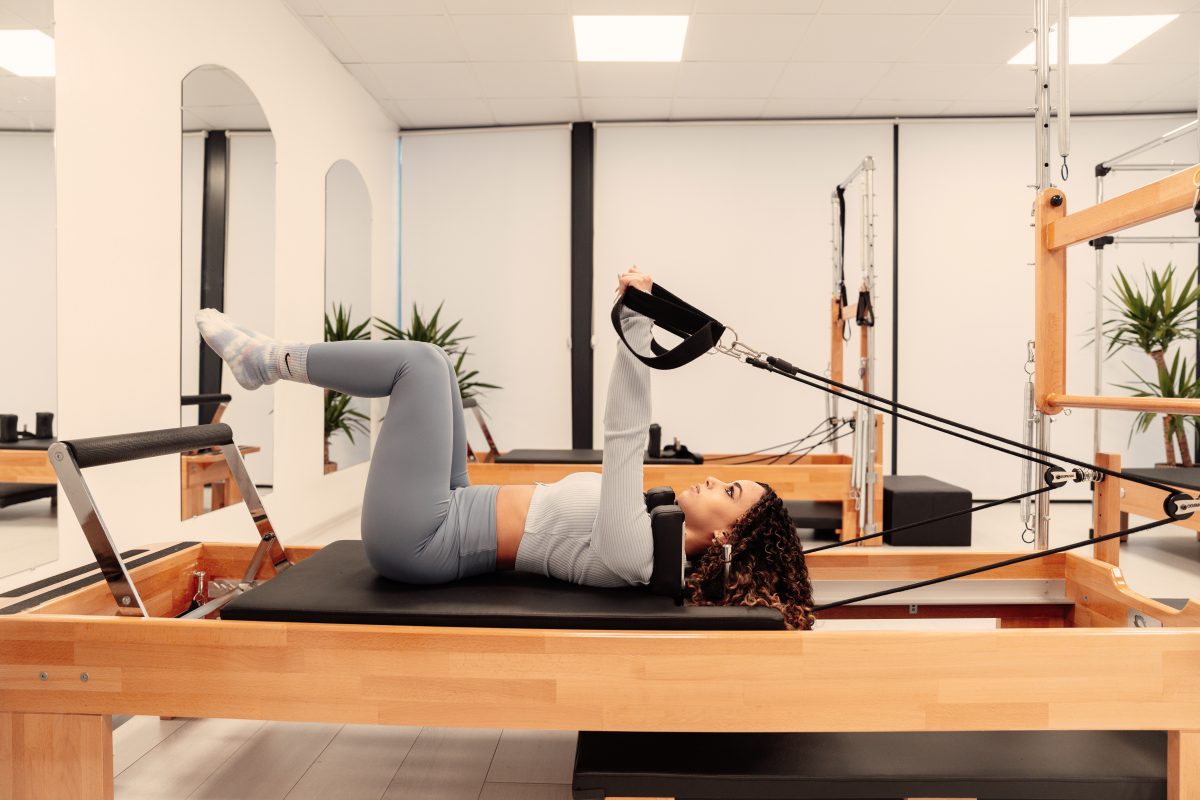
Singapore’s healthcare system delivers a high volume of orthopaedic surgical procedures annually, including hip and knee replacements, spinal surgeries, rotator cuff repairs, anterior cruciate ligament reconstructions and abdominal surgical procedures of various kinds. The immediate post-surgical rehabilitation that follows these procedures is well managed within Singapore’s hospital and outpatient physiotherapy system. What is less consistently managed is the transition from post-acute physiotherapy discharge to independent movement competence, the phase in which the patient has recovered sufficiently to be discharged from clinical physiotherapy but has not yet regained the full functional capacity and movement confidence that preceded their surgery. This is precisely the phase in which well-designed pilates singapore programming makes its most clinically significant contribution, bridging the gap between clinical rehabilitation and independent functional recovery in ways that self-directed exercise and generic fitness classes cannot.
The decisions that post-surgical patients and their healthcare providers make about when to begin pilates, what kind of studio environment is appropriate and which specific exercises are safe within a given recovery timeline are consequential ones, and getting them right requires more specific knowledge than the general wellness advice that most pilates studio communications provide.
Understanding the Post-Surgical Tissue Healing Timeline
Every surgical procedure involves the deliberate disruption of tissue, whether skin, muscle, tendon, ligament, joint capsule, bone or a combination of several, in order to correct an underlying pathological condition. The healing of this disrupted tissue follows a predictable sequence that determines what physical loads it can safely tolerate at each stage of recovery.
The inflammatory phase, which begins immediately following surgery and typically lasts three to five days for soft tissue procedures, is characterised by increased blood flow, cellular infiltration and the initiation of the repair process. Physical loading during this phase should be minimal and carefully controlled, limited to the gentle range of motion and circulation-promoting exercises that post-surgical physiotherapy protocols prescribe.
The proliferative phase, which follows the inflammatory phase and typically extends to six weeks post-surgery for soft tissue procedures, involves the laying down of new collagen by fibroblasts to reconstruct the disrupted tissue. The new collagen produced during this phase has a random, disorganised fibre orientation and significantly lower tensile strength than mature scar tissue. Loading the tissue during this phase beyond what the immature repair can tolerate risks disrupting the repair and extending the healing timeline.
The remodelling phase, which begins from approximately six weeks post-surgery and may continue for twelve to twenty-four months depending on the tissue type and the extent of the surgical disruption, involves the progressive reorganisation of the collagen laid down during proliferation into a more organised, load-bearing structure. The mechanical signals provided by appropriate loading during this phase are essential for optimal remodelling: the collagen fibres align along the lines of mechanical stress that the tissue experiences, producing a scar structure that is maximally suited to the functional demands it must meet.
The implication for post-surgical pilates programming is that the appropriate exercises and loads change substantially across this healing timeline, and that applying the right stimulus at the right phase is as important as avoiding inappropriate loading in the early phases.
Procedure-Specific Return-to-Practice Considerations
Different surgical procedures create different return-to-pilates timelines and different exercise modification requirements that persist through the remodelling phase and sometimes beyond.
Total hip replacement creates specific movement precautions that persist for a minimum of three months following surgery in most cases and that require ongoing modification of pilates exercises that involve hip rotation, hip flexion beyond 90 degrees or combined hip adduction and internal rotation. The hip precaution positions vary depending on the surgical approach used, with posterior approach surgeries creating different precaution requirements from anterior approach procedures. Pilates teachers working with total hip replacement patients must have accurate information about the approach used and the specific precautions prescribed by the operating surgeon before designing an appropriate exercise programme.
Spinal surgery, encompassing a wide range of procedures from microdiscectomy to multi-level spinal fusion, creates return-to-pilates parameters that depend heavily on the specific procedure performed, the levels involved and the stability achieved. Fusion procedures that involve the placement of instrumentation create a category of movement restriction that must be respected indefinitely, as the range of motion at the fused segments is permanently eliminated and excessive loading of the adjacent segments above and below the fusion must be carefully managed. Microdiscectomy without fusion creates a much less restrictive return-to-pilates pathway, with appropriate exercises typically resumable from eight to twelve weeks post-surgery under physiotherapy guidance.
Abdominal surgeries, including hernia repairs, caesarean sections and various general surgical procedures, require specific attention to the management of intra-abdominal pressure during pilates exercises. Many foundational pilates exercises, including double leg lowering, roll-up variations and certain breathing techniques, generate significant intra-abdominal pressure that can stress healing abdominal wall tissue and surgical repairs in ways that slower, lower-load exercises do not.
Studio Selection Criteria for Post-Surgical Pilates
Post-surgical patients seeking pilates studios in Singapore need to apply more specific selection criteria than the general practitioner population. The factors that determine whether a studio is appropriate for post-surgical rehabilitation are specific and non-negotiable.
Teacher clinical literacy is the primary criterion. A teacher who does not understand the healing timeline, the procedure-specific precautions and the movement parameters within which post-surgical exercises must remain cannot safely design and deliver appropriate programming regardless of their general pilates competence. Studios whose teachers have completed additional training in clinical or rehabilitation pilates, or who have established working relationships with physiotherapy clinics and regularly receive referred post-surgical patients, are the most appropriate choices.
Willingness to collaborate with the supervising physiotherapist is equally important. Post-surgical patients who are transitioning from physiotherapy to studio pilates should not be moving to a context where their clinical information is unknown. Studios that conduct intake consultations with new post-surgical students, that request and review physiotherapy discharge notes, and that maintain ongoing communication with the referring therapist throughout the transition phase are operating a genuinely safe and clinically integrated service.
Small class sizes are a prerequisite for post-surgical pilates participation, both for the individualised attention required and for the practical safety of ensuring that a teacher can monitor every student continuously throughout a session that may require real-time modification of exercises based on observed movement quality or reported symptoms.
Studios like Yoga Edition that approach their pilates programming with the seriousness that post-surgical populations require, investing in the teacher training, intake protocols and clinical relationships that make safe and effective post-surgical pilates possible, are providing a service that Singapore’s growing surgical population genuinely needs in the gap between clinical discharge and full functional independence.
