
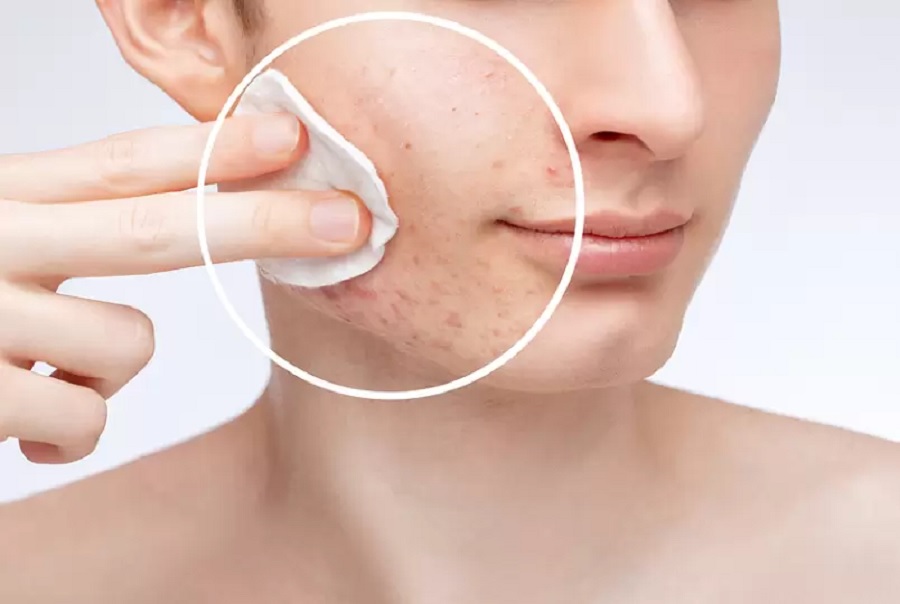
Achieving flawless skin after dealing with acne can feel like a challenge, but with the right treatments, even the most stubborn acne scars can fade. Treating acne scars in Singapore is a common concern, and fortunately, several effective solutions exist that target and reduce the appearance of scars, restoring smooth and even skin. This article will guide you through what acne scars are, their causes, and the treatments available to help you achieve clearer skin without the need for surgical options.
Understanding Acne Scars
Acne scars occur when breakouts penetrate deeply into the skin, damaging the surrounding tissue. As your skin heals, it may produce too much or too little collagen, leading to a variety of scar types. Some may leave depressions in the skin, while others form raised scars. Understanding the type of acne scar is essential in choosing the right treatment.
Types of Acne Scars
- Atrophic Scars: These are depressed scars and are commonly classified into ice pick, boxcar, and rolling scars. They form when there’s a loss of skin tissue due to severe acne, leaving behind indentations.
- Hypertrophic Scars: These raised scars occur when the skin produces too much collagen during the healing process, causing the scar to rise above the surface of the skin.
- Post-Inflammatory Hyperpigmentation (PIH): While not technically a scar, PIH refers to dark spots left behind after acne clears. These marks can last for months if not treated properly.
Causes of Acne Scars
There are several factors that contribute to acne scars, and addressing these underlying causes can help in choosing the most effective treatment plan. Let’s dive into the most common causes:
Severe Acne Breakouts
When acne is severe, such as cystic acne, it causes deep damage to the skin layers. The deeper the inflammation, the higher the likelihood of scarring. Cystic acne often results in atrophic scars that are difficult to treat without professional intervention.
Picking and Squeezing Acne
Manually picking at acne can significantly worsen the condition. By squeezing or popping pimples, the skin suffers additional trauma, which increases the risk of permanent scarring.
Delayed or Improper Treatment
Failing to treat acne early on can lead to prolonged inflammation. The longer acne remains untreated, the more damage it causes to the surrounding tissue, leading to scars. Using improper products can also aggravate the skin and delay healing, further contributing to scarring.
Skin’s Natural Healing Response
Some individuals are simply more prone to scarring due to their skin’s healing response. The way your body produces collagen during the healing process determines whether you end up with a depressed or raised scar. Some skin types are more likely to develop hypertrophic scars or hyperpigmentation after acne heals.
Effective Techniques for Treating Acne Scars in Singapore
There are several effective non-surgical treatments available for acne scars in Singapore, each designed to target specific types of scars. Here’s a look at the most proven techniques for achieving smoother, scar-free skin:
Pico Laser Treatment for Acne Scars
Pico Laser is one of the most advanced and effective methods for treating acne scars in Singapore. Unlike traditional lasers, Pico Laser uses ultra-short pulses to break down scar tissue without damaging the surrounding skin. The treatment stimulates collagen production, which helps smooth out depressions and reduce the appearance of scars over time.
This method is particularly effective for post-inflammatory hyperpigmentation, as it targets the pigment without causing harm to the skin’s surface. Multiple sessions are often recommended to achieve optimal results.
Fractional CO2 Laser
Fractional CO2 laser is another popular treatment for acne scars. It works by delivering controlled beams of light to the skin, creating micro-injuries that encourage the skin to heal and regenerate. This process stimulates collagen production, which fills in depressed scars and improves overall skin texture. While highly effective, this treatment may require some downtime as the skin heals.
Microneedling with Radiofrequency
Microneedling combined with radiofrequency energy is a minimally invasive procedure that helps treat acne scars by stimulating collagen production. Tiny needles create micro-injuries in the skin, and the radiofrequency energy heats the tissue, promoting healing. Over time, this leads to smoother skin and a reduction in the appearance of acne scars. This treatment is particularly effective for deeper scars such as rolling scars.
Chemical Peels
Chemical peels use acids to exfoliate the top layers of skin, promoting the growth of new skin cells. This treatment is ideal for superficial acne scars and hyperpigmentation. Chemical peels can vary in strength, and multiple sessions may be needed to see noticeable improvements in skin texture and tone.
Dermal Fillers for Depressed Scars
For atrophic scars that create indentations, dermal fillers offer a temporary but effective solution. Fillers are injected into the skin to raise the surface and smooth out the appearance of scars. Results are immediate, but they may only last a few months to a year, depending on the type of filler used.
Topical Treatments
For those with milder scars, topical treatments can help reduce pigmentation and smooth the skin. Retinoids, vitamin C serums, and glycolic acid creams are popular options. These products work by increasing cell turnover and promoting collagen production, helping to reduce the appearance of scars over time.
What to Remember When Treating Acne Scars in Singapore
When considering treatments for acne scars, it’s essential to consult with a qualified dermatologist. The effectiveness of each treatment will depend on the type of acne scars you have, as well as your skin type and overall condition. Some treatments may require multiple sessions to achieve the desired results, so patience and consistency are key.
It’s also important to remember that while treatments can significantly improve the appearance of scars, they may not completely eliminate them. Setting realistic expectations with your dermatologist can help you understand the outcome of the treatment.
Aftercare for Acne Scar Treatments
After undergoing any acne scar treatment, it’s crucial to follow proper aftercare to support your skin’s healing process. Always apply sunscreen to protect your skin from UV damage, which can worsen pigmentation. Your dermatologist may recommend specific skincare products to soothe and nourish your skin post-treatment.
Avoid harsh exfoliants and scrubbing your skin too vigorously, as this can irritate the treated areas. Hydration is key, so ensure that you are using a gentle, hydrating moisturizer to keep your skin plump and healthy.
Treating acne scars in Singapore is entirely achievable with today’s advanced non-surgical techniques. Whether you opt for Pico Laser, Fractional CO2 Laser, microneedling, or chemical peels, the right treatment can dramatically improve the appearance of your skin. Consultation with a skin specialist will help you choose the best approach for your skin type, allowing you to move forward with confidence toward smoother, clearer skin.
