
The Importance of Healthy Ageing in Singapore
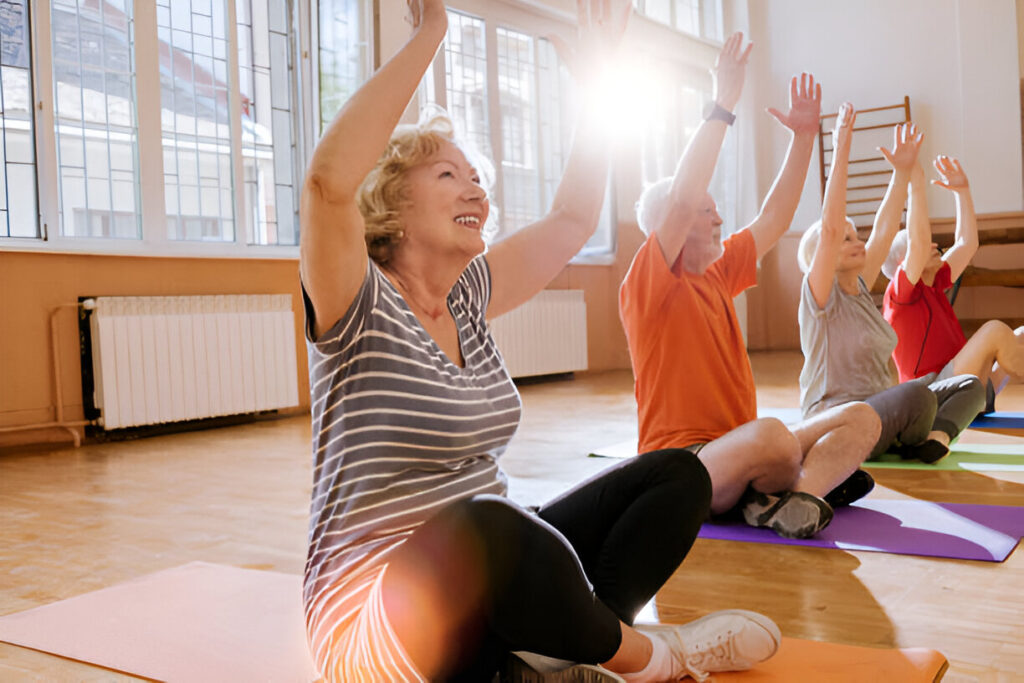
Singapore is one of the fastest-ageing societies in Asia, with a growing population of seniors who are expected to live longer than ever before. While longevity is a blessing, it also raises questions about quality of life. Health professionals emphasise that active ageing is essential for reducing the risk of chronic diseases, maintaining independence, and ensuring emotional wellbeing. Among the many strategies available, yoga Singapore has proven to be one of the most effective approaches for seniors to stay mobile, resilient, and connected.
Unlike high-intensity workouts, yoga adapts to each person’s pace and ability, making it particularly suitable for seniors. Through mindful breathing, gentle stretches, and meditative practices, yoga helps older adults age gracefully while supporting their physical, mental, and emotional health.
Why Yoga Works for Seniors
Yoga is not only about physical fitness. It offers a complete system of wellbeing that addresses the body, mind, and spirit. For seniors, this holistic approach is particularly valuable because it supports multiple dimensions of healthy ageing.
Key Benefits of Yoga for Older Adults
-
Improved Balance and Stability: Yoga poses train core muscles and coordination, reducing the risk of falls.
-
Flexibility and Mobility: Gentle stretches maintain joint function, easing stiffness common in ageing.
-
Respiratory Health: Breathing exercises strengthen the lungs and improve oxygen intake.
-
Emotional Resilience: Meditation and mindfulness reduce anxiety, loneliness, and mood swings.
-
Cognitive Function: Regular practice sharpens focus and memory through mindful awareness.
-
Pain Management: Yoga alleviates discomfort from arthritis, back pain, and other age-related conditions.
How Yoga Supports Independence
One of the greatest concerns for seniors is losing independence. Daily activities such as climbing stairs, cooking, or carrying groceries can become challenging with age. Yoga provides practical benefits by strengthening muscles, increasing endurance, and enhancing body awareness. This translates into greater confidence in everyday tasks.
By preserving mobility, seniors are less reliant on caregivers, which fosters dignity and self-esteem. Many older adults in Singapore have found that yoga gives them the physical and emotional tools to live life on their own terms.
Adapting Yoga for Seniors
Not all yoga styles are suitable for older adults. Specialised programmes in Singapore now cater specifically to seniors by offering modifications, props, and gentle sequences.
Popular Yoga Styles for Seniors
-
Chair Yoga: Allows participants to perform stretches while seated, making it accessible to those with limited mobility.
-
Restorative Yoga: Focuses on relaxation and healing with supportive props like bolsters and cushions.
-
Hatha Basics: A slower-paced style that introduces foundational postures with simple breathing.
-
Yin Yoga: Emphasises deep stretching of connective tissues, promoting joint health and flexibility.
-
Breathwork and Meditation: Essential for stress relief and improved mental clarity.
These variations ensure that yoga remains inclusive and adaptable, regardless of age or physical limitations.
The Social Aspect of Yoga for Seniors
Loneliness and social isolation are pressing concerns among older adults in Singapore. Group yoga classes provide a supportive community where seniors can connect, share experiences, and build friendships. This social interaction boosts mental health and reduces feelings of isolation.
Studios that welcome seniors also foster intergenerational bonding. It is not uncommon for parents and children, or even grandparents and grandchildren, to attend classes together, creating meaningful family connections through shared practice.
Yoga as Preventive Healthcare
Healthcare costs are rising, and preventing chronic illnesses has become a national priority. Seniors who practise yoga regularly experience reduced risk of conditions such as hypertension, diabetes, and obesity. Gentle movement stimulates circulation, improves digestion, and supports immune function. In this way, yoga is not just exercise but a form of preventive healthcare.
Singapore’s emphasis on active ageing makes yoga an attractive option for public health programmes. Incorporating yoga into senior community centres and wellness workshops aligns with the government’s efforts to promote long-term health sustainability.
Building Mindfulness and Emotional Stability
Ageing often brings emotional challenges such as grief, loneliness, or fear of decline. Yoga’s mindfulness practices teach seniors to focus on the present moment and accept life transitions with grace. Techniques like guided meditation, body scanning, and mantra chanting cultivate inner peace.
For seniors dealing with cognitive decline or early dementia, mindfulness can improve awareness and slow deterioration. Practising yoga nurtures both mental sharpness and emotional resilience, essential qualities for graceful ageing.
Stories of Seniors Embracing Yoga
Real-life experiences highlight the power of yoga in transforming lives. A retired teacher in Singapore might share how chair yoga relieved her arthritis pain, enabling her to resume her love for gardening. Another senior could explain how breathing exercises improved his sleep and reduced dependency on medication. These testimonials reflect yoga’s profound impact beyond the studio.
Role of Studios and Instructors
Qualified instructors play a critical role in making yoga safe and effective for seniors. Studios like Yoga Edition provide dedicated sessions for older adults, ensuring modifications are offered and individual limitations respected. Props, slow transitions, and smaller class sizes create an environment of safety and encouragement.
Such attention to detail helps seniors build confidence, knowing that each posture and exercise has been carefully adapted to their needs.
Incorporating Yoga into Daily Routines
For long-term benefits, seniors should integrate yoga into their daily or weekly routines. While group classes are beneficial, at-home practice can reinforce progress. Simple breathing techniques, morning stretches, or a few restorative poses before bed can make a noticeable difference.
Tips for seniors starting their yoga journey:
-
Begin with short sessions of 15 to 20 minutes.
-
Focus on breathwork if movement feels challenging.
-
Use chairs, walls, or props for support.
-
Practise regularly rather than intensely.
-
Consult with healthcare providers if dealing with chronic conditions.
Community Support for Senior Yoga
Community centres and senior clubs in Singapore increasingly recognise yoga’s value. Free or subsidised sessions are offered to encourage participation. Beyond the physical benefits, these initiatives provide seniors with a sense of belonging and purpose.
Wellness festivals and public events often include yoga workshops designed for older adults, showcasing its accessibility and relevance in modern society.
The Future of Yoga and Ageing in Singapore
As life expectancy increases, the demand for holistic solutions to ageing will grow. Yoga will play a larger role in community health initiatives, elder care facilities, and digital wellness platforms. Technology will expand access through livestreamed senior-friendly classes and personalised guidance.
The vision for Singapore is not just a long-lived society, but one where seniors thrive with vitality, independence, and peace of mind. Yoga stands out as a bridge that connects physical health, mental resilience, and spiritual fulfilment for older adults.
FAQs on Yoga for Seniors in Singapore
Q. At what age should seniors start yoga?
A. Seniors can begin yoga at any age. It is never too late, as yoga adapts to the individual’s pace and ability. Many start in their 60s or even later and experience benefits quickly.
Q. Is yoga safe for seniors with arthritis or joint problems?
A. Yes, with proper guidance and modifications, yoga can ease joint stiffness and improve mobility. Chair yoga and restorative practices are especially suitable.
Q. How often should older adults practise yoga?
A. For noticeable benefits, seniors should aim for two to three sessions a week. Short daily routines focusing on breathing and gentle movement can also be highly effective.
Q. Can yoga help with memory and focus?
A. Regular yoga practice, especially mindfulness meditation, has been shown to improve cognitive function, focus, and mental clarity among seniors.
Q. What equipment is needed for senior yoga?
A. Basic props like a yoga mat, sturdy chair, cushion, or strap are usually sufficient. Many studios provide these, ensuring accessibility for all participants.
